
Composite or uPVC? Helping Tradespeople Choose the Right Door
When our trade customers come to us at Tradeglaze Dorset, they often inquire about the best type of material for doors. With various options on the market, the choice between composite and uPVC doors can be a bit perplexing. Each type has its own benefits and understanding these can help you make an informed decision for your projects.
What is uPVC?
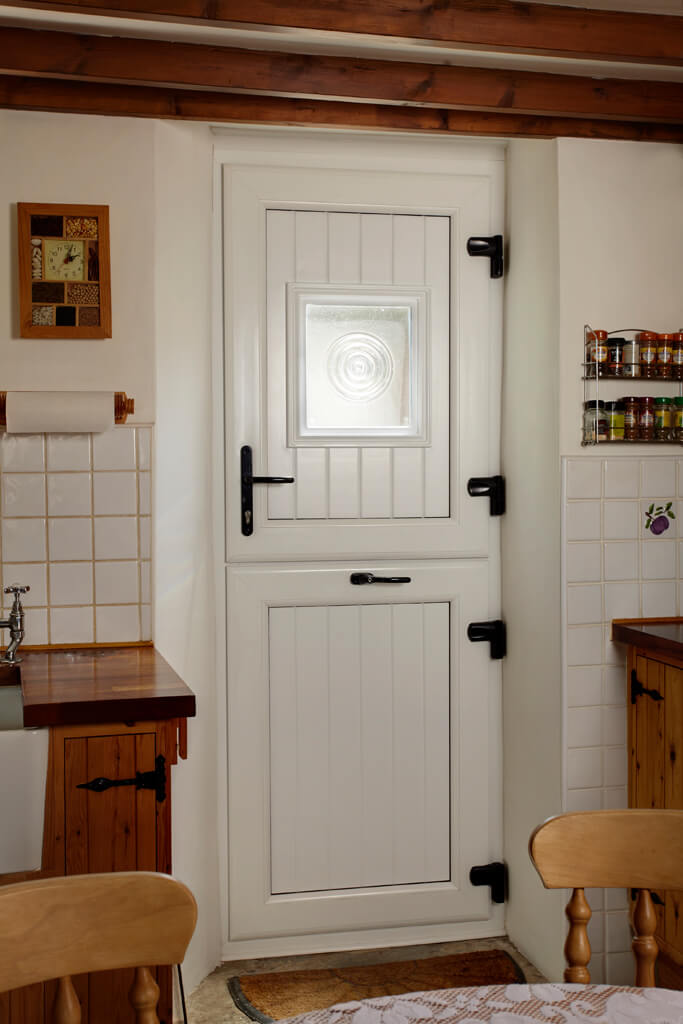
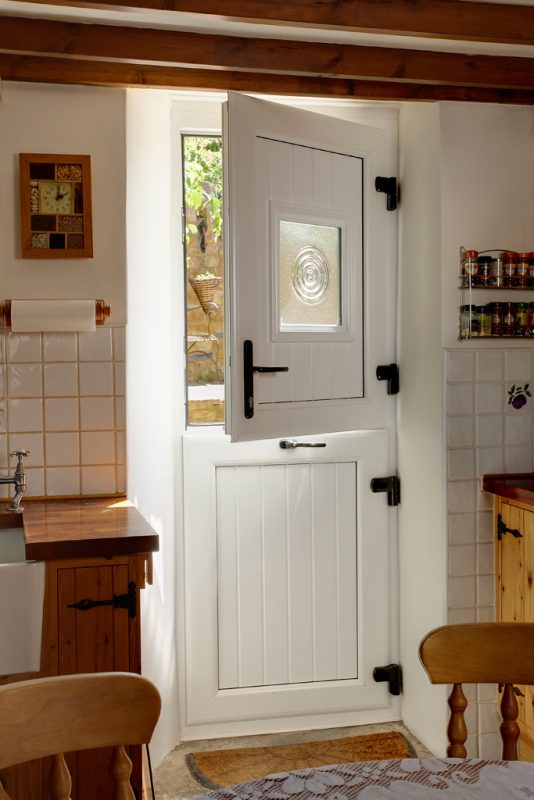
uPVC, or unplasticised polyvinyl chloride, is a form of plastic. It’s a popular choice for door frames due to its robustness, ease of maintenance, and thermal insulation properties. One of the main reasons why many homeowners prefer uPVC doors is their cost effectiveness. Additionally, uPVC doors require minimal upkeep, only needing a wipe down with soapy water for cleaning, without the need for painting or sealing.
uPVC doors are excellent in terms of providing good thermal insulation and security. They come equipped with multi locking systems, helping to increase the security level of a home. Energy efficiency is another important benefit, as less heat is lost with uPVC doors compared to traditional wood. This can help reduce heating costs in the home.
What about Composite Doors?
Composite doors are made from a combination of materials, including PVC, wood, insulating foam, and glass reinforced plastic (GRP). This fusion is designed to overcome the limitations of single material doors. Composite doors are esteemed for their high security, durability, and aesthetic versatility.
Durability is a prime feature, as these doors are built to withstand harsh weather conditions, and they do not discolour, warp or crack over time, unlike some other materials. In terms of aesthetics, composite doors come in a variety of styles and colours, allowing homeowners to choose doors that complement the design and colour scheme of their houses. Furthermore, composite doors are celebrated for their superior insulating qualities, providing better energy efficiency than uPVC doors.
Making the Right Choice
Here are some considerations for choosing between uPVC and composite doors:
1. Budget: If cost is a major consideration, uPVC doors are generally more affordable than composite doors. However, think about the long term benefits in terms of durability and maintenance.
2.Look and Feel: For more design options and a higher end finish, composite doors offer the look of wood with the resilience of synthetic materials. If style is a priority, composite may be the way to go.
3. Maintenance: Consider the maintenance requirements. uPVC doors are easier to maintain compared to composite doors, which may occasionally require more specific care depending on the wood element.
4. Security: Both door types offer excellent security features, but composite doors provide a higher level of security due to the robust materials used in their construction.
5.Energy Efficiency: If insulation and energy saving are priorities, composite doors tend to have a slight edge due to their dense insulation materials.
To see our extensive range of both uPVC and composite doors, we invite you to explore our product pages or get in touch with us directly. Our team at Tradeglaze Dorset is committed to helping you select the perfect doors for your building or renovation project. We understand the importance of balancing cost, aesthetic appeal, and functionality.
Remember, choosing the right door can dramatically enhance the exterior look of your home, provide security and improve energy efficiency. If you need further assistance or a bespoke solution, please get in touch today to learn more about our offerings and get a quote tailored to your exact needs. We’re here to help you make the best choice for your project!